
You may feel hammered and a beaten …
But don't stress. Let me try and summarize what we’ve learnt in 7 points.
Here goes:
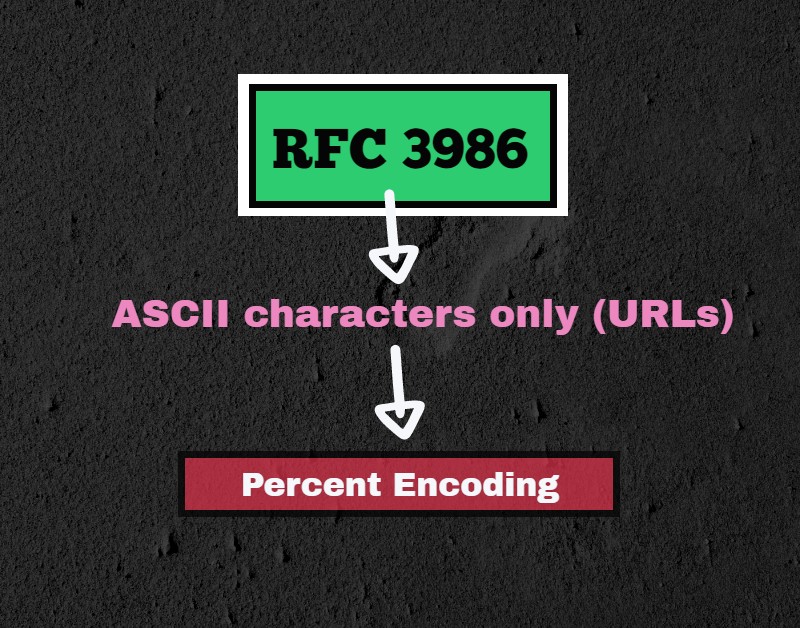
URLs are governed by rules, formally the RFC 3986
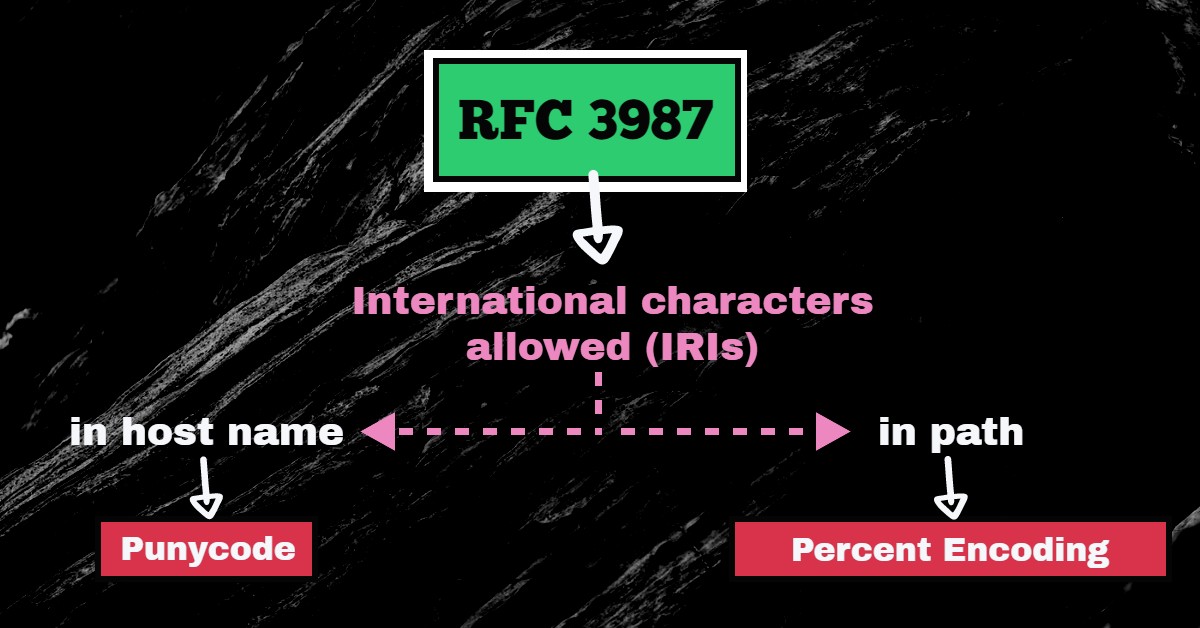
When you have international characters, it is no longer called a URL, but an IRI
IRIs are also governed by rules, but different rules. These rules are formally defined in RFC 3987
Regardless of whether you have a URL or IRI, special characters have to be encoded so that they can be transferred over the wire
If you have a URL, only ASCII characters are allowed and all non-ASCII characters have to be percent encoded
If you have a IRI, then either punycode or percent encoding is used, depending on where in the URL the international characters are found
And finally, even though browsers allow users to see special characters in the address bar, remember that this is just a UI component of the browser. In the background, encoding still has to take place.
That’s it. You're now a champion at this.

See you in the next lecture.